
What Blue Light Is and Where It Comes From
You probably spend more time around screens than you realise. From checking your phone to working on your laptop, digital devices are part of everyday life. But have you ever wondered what happens when you spend hours looking at these screens? One topic that often comes up is blue light. Understanding what it is and where it comes from can help you make informed choices about your eye care.
1. What Exactly Is Blue Light?
Blue light is a type of visible light that your eyes can naturally see. It belongs to the blue part of the light spectrum and has relatively short wavelengths.
Unlike some forms of invisible light, blue light is everywhere around you. It is not something created only by modern technology. In fact, sunlight is one of its biggest natural sources.
Blue light plays an important role in regulating your body's internal clock. Exposure during daytime helps you stay alert and maintain a healthy sleep-wake rhythm. However, exposure at the wrong time may affect your ability to fall asleep.
You don't need to avoid blue light completely. Understanding when and where you encounter it is a better starting point.
2. Everyday Sources of Blue Light
The biggest natural source of blue light is the sun. Whenever you spend time outdoors, your eyes receive blue light from natural daylight.
However, modern technology adds several other sources to your daily routine. These include:
- Smartphones and tablets
- Laptop and desktop computer screens
- LED televisions
- LED lighting and energy-efficient bulbs
- Digital advertising displays
Most modern screens use LED-based lighting to produce images. These screens emit some blue light, although the amount varies between devices.
If you work in an office, your daily exposure may come from several sources. You might start with your phone, continue with your laptop, and finish with television.
3. Does Screen Time Increase Your Exposure?
Spending long hours using digital devices means you encounter screen-emitted blue light more frequently. However, screen exposure is not the only reason your eyes feel tired.
When you concentrate on screens, you often blink less frequently. This can contribute to dry eyes, irritation, and temporary discomfort. Glare, poor lighting, and prolonged close-up focusing can also make screen use uncomfortable.
This is why taking regular breaks matters. You can follow the 20-20-20 rule by looking 20 feet away every 20 minutes. Try looking outside or focusing on a distant object.
4. Why Should You Understand Blue Light?
Knowing where blue light comes from helps you make better everyday choices. You can manage screen habits, improve your workspace lighting, and protect your sleep routine.
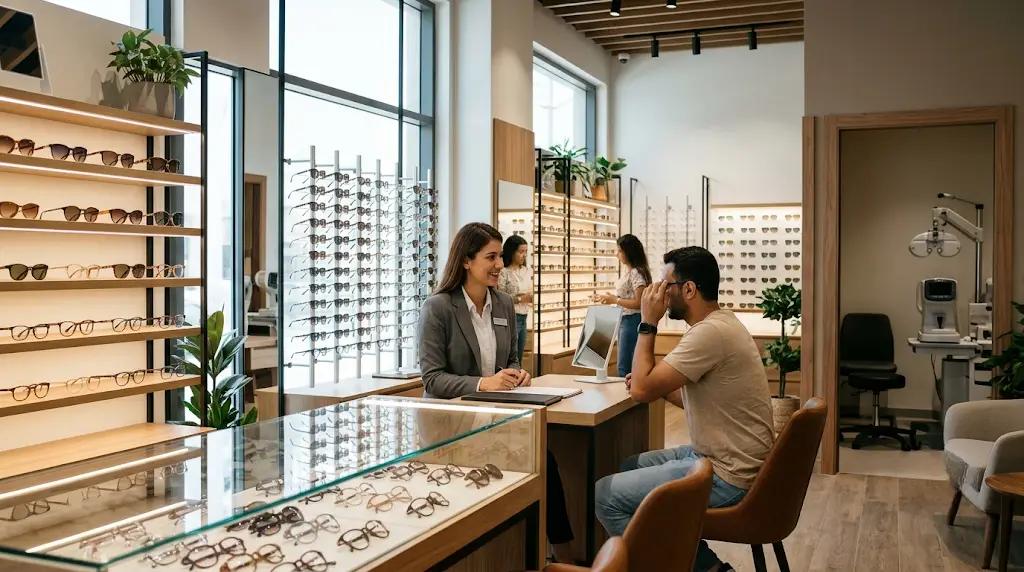
If you experience frequent discomfort, consider discussing your symptoms with an eye care professional. You can also visit a trusted optical shop in Abu Dhabi for guidance about suitable eyewear.
Remember, blue light is a natural part of your environment. The goal isn't to eliminate it, but to understand your exposure and maintain comfortable screen habits.
What Research Says About Blue Light Glasses
Blue light glasses have become popular among people who spend long hours using digital devices. You have probably seen them advertised as a solution for tired eyes and screen-related discomfort. But do they actually work as promised? Research offers some interesting answers that might surprise you. Before investing in a pair, it helps to understand what scientific studies say about their benefits and limitations.
1. Do Blue Light Glasses Really Reduce Eye Strain?
Many people experience tired eyes after spending hours looking at computers or smartphones. You might notice dryness, blurred vision, headaches, or difficulty focusing. These symptoms are commonly associated with digital eye strain.
However, research has not established that blue light itself causes digital eye strain. A Cochrane review found little evidence that blue light-filtering lenses reduce short-term eye strain. Your screen habits, blinking patterns, and viewing distance also matter.
When you concentrate on a screen, you tend to blink less often. This can leave your eyes feeling dry and uncomfortable. Poor lighting and screen glare may also contribute to discomfort.
2. What Does Research Say About Sleep?
Blue light can influence your body's natural sleep-wake cycle. Exposure during daytime helps regulate alertness and your internal body clock. However, bright light exposure during evening hours may affect melatonin production.
Some research suggests evening screen exposure can interfere with sleep timing. Blue light-filtering glasses might help reduce certain effects in some situations. However, research results remain mixed, and benefits are not guaranteed.
You can also make simple changes to your evening routine. Reduce screen brightness, enable night settings, and avoid unnecessary device use before bedtime. These habits may support better sleep without requiring special eyewear.
3. Can Blue Light Glasses Protect Your Eyes?
One common marketing claim suggests blue light glasses protect your eyes from screen-related damage. However, current research does not establish this benefit.
The 2023 Cochrane review examined 17 studies involving 619 participants. Researchers found no convincing evidence that blue light-filtering lenses protect the retina. They also found insufficient evidence to confirm several other claimed benefits.
This does not mean blue light glasses are harmful. It simply means you should be careful with products promising complete eye protection. Your eyes need proper care, regular examinations, and healthy viewing habits.
4. Should You Consider Buying Blue Light Glasses?
Blue light glasses may appeal to you if you prefer their appearance or feel comfortable wearing them. However, you shouldn't consider them a guaranteed solution for digital eye strain.
Before buying, think about what you actually need. Ask an eye care professional about prescription requirements, lens coatings, and suitable options. You can also visit an optical shop in Abu Dhabi to compare different lenses.
Here are some simple habits worth practising:
- Follow the 20-20-20 rule during screen use.
- Adjust screen brightness to match your surroundings.
- Keep your screen at a comfortable viewing distance.
- Blink regularly to reduce dryness.
- Take short breaks throughout your working day.
- Reduce bright screen exposure before bedtime.
The takeaway: Blue light glasses are not a magic solution for tired eyes. Research currently shows limited evidence of their benefits. Understanding your visual needs and building healthier screen habits are better starting points.
Screen Habits That Can Reduce Eye Strain
Spending hours looking at screens has become part of everyday life. You might start your morning checking messages and finish your evening watching videos. Somewhere between those moments, your eyes deserve a little attention too! Long screen sessions can leave your eyes feeling tired, dry, or uncomfortable. Fortunately, a few simple changes can make your digital routine much easier on your eyes.
1. Follow the 20-20-20 Rule
One of the easiest ways to manage screen-related eye strain is the 20-20-20 rule. It gives your eyes regular breaks during long periods of close-up work.
Here's how it works:
| Every 20 minutes, take a short break. |
|---|
| Look at something approximately 20 feet away. |
| Keep looking at it for at least 20 seconds |
This simple habit encourages you to shift your focus away from nearby screens. You can look through a window, watch something outside, or focus on a distant object.
If you often forget your breaks, set a gentle reminder on your phone. Your eyes will appreciate those little pauses throughout the day.
2. Adjust Your Screen Brightness and Position
Your screen settings can make a noticeable difference to your viewing comfort. A display that looks too bright or too dark may cause unnecessary visual discomfort.
Try matching your screen brightness with the lighting around you. Avoid using extremely bright screens in dark rooms. You can also increase text size to make reading easier.
Screen position matters too. Keep your monitor approximately an arm's length away. Position the screen slightly below your natural eye level. This can help reduce discomfort caused by awkward viewing positions.
Also, avoid placing your screen directly opposite bright windows. Reflections and glare can make reading more difficult. Adjust your seating or screen angle whenever necessary.
3. Remember to Blink and Keep Your Eyes Comfortable
Have you noticed how focused you become while watching videos or reading online? You might blink less frequently without even realising it.
Reduced blinking can contribute to dry and irritated eyes. Make a conscious effort to blink regularly during screen activities. If your eyes feel uncomfortable, take a break and rest them.
You should also avoid sitting directly under harsh lighting. Maintain comfortable room lighting and consider adjusting your workspace setup. If dryness continues, consult an eye care professional about suitable treatment options.
4. Build a Healthier Digital Routine
Healthy screen habits work best when you practise them consistently. Try taking short walking breaks instead of remaining seated for hours. Give your eyes some screen-free time during meals and outdoor activities.
You can also reduce unnecessary screen use before bedtime. Evening light exposure may interfere with your natural sleep routine. Consider putting your devices aside before going to bed.
If screen-related discomfort continues despite these changes, consider scheduling an eye examination. A qualified professional can check your vision and discuss possible causes. You can also visit a trusted optical shop in Abu Dhabi for guidance about suitable eyewear.
Remember: You don't need to give up your favourite devices to care for your eyes. A few thoughtful screen habits can make everyday digital activities more comfortable.
When to Visit an Optical Shop in Abu Dhabi
Your eyes work hard every day, from reading messages to navigating busy streets. Sometimes, you might notice small changes in your vision without paying much attention. Perhaps road signs look blurry, or reading your favourite book feels uncomfortable. These little changes deserve attention rather than guesswork. Knowing when to visit an optical shop in Abu Dhabi can help you find suitable eyewear and understand your vision needs.
1. When You Notice Changes in Your Vision
Have you started squinting to read distant signs or recognise familiar faces? Maybe your phone screen looks clearer when you hold it closer. These could be signs that your vision needs attention.
You might also experience frequent headaches while reading or working on your computer. Blurry vision, difficulty focusing, and eye discomfort are other symptoms worth discussing.
Don't wait until everyday activities become frustrating. Schedule an eye examination with a qualified eye care professional. They can assess your vision and determine whether prescription glasses are necessary.
Remember, sudden vision changes require prompt medical attention. Don't rely on new glasses to solve an unexplained vision problem.
2. When Your Current Glasses Stop Feeling Right
Your favourite glasses might have served you well for years. However, prescriptions can change, and frames can become uncomfortable over time.
Look out for signs such as:
- Blurred vision despite wearing your glasses.
- Frequent headaches while using your prescription.
- Frames that constantly slip or feel too tight.
- Scratched lenses that affect clear vision.
- Difficulty seeing comfortably during everyday activities.
If you notice these problems, consider visiting an optical shop for professional guidance. A qualified professional can check your prescription and help assess your frame fit.
Avoid continuing with damaged or uncomfortable glasses simply because you're used to them.
3. Before Buying New Sunglasses or Prescription Glasses
Living in Abu Dhabi means experiencing plenty of bright sunshine throughout the year. Choosing suitable sunglasses can make outdoor activities more comfortable.
Before purchasing sunglasses, check their UV protection features. Look for proper UV400 protection rather than choosing based on appearance alone.
You should also consider your daily activities. Driving, outdoor sports, and casual walks may require different eyewear features.
If you're planning to buy prescription glasses, bring your latest prescription when available. This helps the optical team understand your requirements and recommend suitable options.
4. When It's Time for a Routine Eye Check
You don't always need to wait for vision problems before seeking professional advice. Regular eye examinations can help identify changes that might otherwise go unnoticed.
Your recommended examination schedule depends on your age, medical history, symptoms, and individual risk factors. Children, adults, and older people may have different eye care needs.
If you haven't had your eyes checked recently, consider booking an appointment. You can visit a trusted optical shop in Abu Dhabi that offers professional eye examination services.
Remember: Looking after your eyes shouldn't be an occasional task. Pay attention to changes, choose suitable eyewear, and seek professional advice when needed. A little attention today can help you enjoy clearer, more comfortable vision tomorrow.